
Align Recovery Centers offers treatment for addiction and co-occurring mental health disorders in Sonoma, California. Our detox and residential treatment programs are designed to help adults with substance use disorder (SUD) find sobriety and healing in a safe and tranquil environment.

Substance Use Treatment in Sonoma County
We are a Northern California recovery center providing detox and residential substance abuse treatment services for adults seeking compassionate, evidence-based care. Located in Sonoma County, we serve individuals throughout nearby communities such as Santa Rosa and Petaluma who are struggling with alcohol addiction, drug addiction, and co-occurring mental health conditions.
Our integrated approach combines medical support, behavioral health services, and individualized therapy to address the physical, emotional, and psychological effects of substance use disorders. As a treatment provider focused on whole-person healing, we offer a structured and supportive environment where clients can begin building a foundation for long-term recovery.
Treatment plans are tailored to each individual and may include detox services, residential treatment, evidence-based therapies, family support, relapse prevention planning, and mental health care. By addressing both addiction and underlying behavioral health concerns simultaneously, we help clients move toward lasting recovery with comprehensive clinical and emotional support.
What Makes Our Approach to
Addiction Treatment Different
Align Recovery Centers provides evidence-based addiction treatment in a structured, family-style environment designed to support long-term recovery from substance use and co-occurring mental health conditions.
Trauma-Informed, Therapy-Forward Care
Treatment focuses on the underlying factors contributing to substance use, including trauma, anxiety, depression, chronic stress, and other co-occurring disorders.
Personalized Care in a Supportive Environment
With a 45-bed capacity and individualized treatment planning, we emphasize connection, accountability, and personalized attention without resort-style or luxury positioning.
Flexible Recovery Pathways
Clients are introduced to multiple recovery approaches, including 12-Step support, SMART Recovery, and Recovery Dharma, allowing individuals to explore what best supports their long-term recovery goals.
Medically Supported Detox and Residential Treatment
Clients have access to medically supervised detox, residential treatment, medication-assisted treatment, and ongoing clinical support throughout the recovery process.
Family Involvement
and Recovery
Education
Recovery often impacts the entire family system. We offer family education, clinician-supported visitation, and couples or family therapy sessions to help strengthen communication and long-term support.
Recovery Planning Beyond Residential Treatment
Discharge and aftercare planning begin early in treatment to help clients transition into appropriate next steps, including sober living, outpatient treatment, continued therapy, and community-based recovery support.
Evidence-Based and Holistic Treatment Options
Programs incorporate evidence-based therapies such as cognitive-behavioral therapy (CBT), dialectical behavior therapy (DBT), motivational interviewing, and trauma-focused therapy, as well as experiential approaches such as yoga, art therapy, music therapy, and mindfulness practices.
Meet Your Team
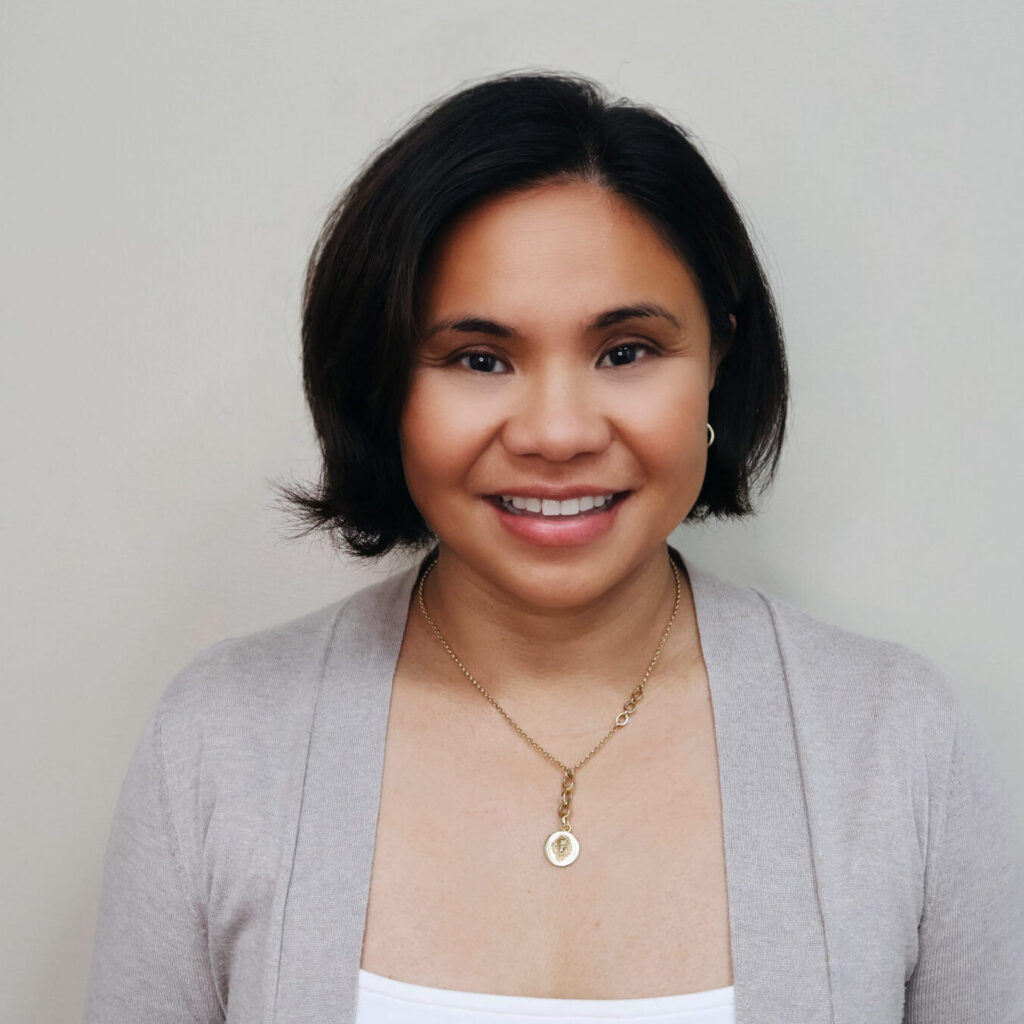
Dr. Sanchez
(board‑certified psychiatry, neurology, addiction medicine)
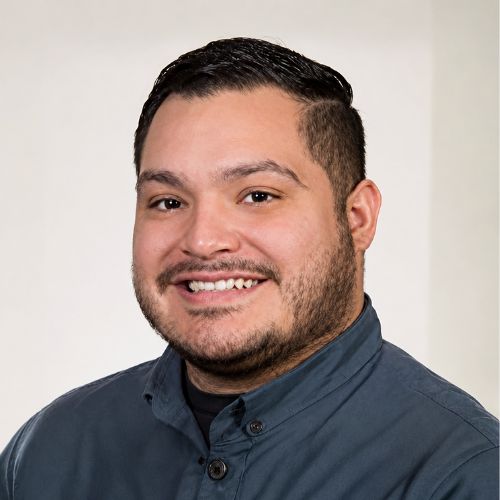
Elvis Rosales, LCSW
Clinical Director
Substance Use Treatment in the Heart of Sonoma County
Located in Sonoma County, Align Recovery Centers provides substance use treatment in a peaceful Northern California setting where adults can step away from everyday stress and focus fully on recovery. Our welcoming, family-style campus combines evidence-based therapies, trauma-informed care, and holistic wellness with the comfort of a supportive community. Just a short drive from the Greater Bay Area, Align Recovery Centers offers an accessible destination for individuals and families seeking compassionate, personalized addiction treatment.

Starting Rehab in Sonoma County
Going to rehab can feel overwhelming, which is why we aim to make the admissions process as supportive and straightforward as possible.
Beginning the Admissions Process
From the first phone call, our team helps individuals and families understand treatment options, next steps, and what to expect during admission. Compassionate guidance is provided throughout the process to help reduce stress and barriers to care.
Insurance Verification and Payment Support
We work with many insurance providers to help clients better understand their coverage and potential treatment costs. Our admissions team assists with insurance verification and discusses available payment options whenever needed. This process is designed to help individuals access care with greater clarity and confidence.
Accessing Treatment Quickly and Safely
When appropriate and availability allows, same-day admissions may be available for individuals needing immediate support. Our team prioritizes safe placement, clinical appropriateness, and medical needs throughout the intake process. By combining prompt access to care with compassionate clinical support, we help clients begin treatment in a safe and structured environment.
Our Evidence-Based
Rehab Program in
Sonoma County
Our evidence-based rehab programs in Sonoma County are designed to help clients understand these underlying challenges while developing healthier ways to manage stress, emotions, and daily life. By integrating behavioral health support, relapse prevention, family involvement, and holistic wellness practices, we help clients build a stronger foundation for sustainable recovery and long-term well-being.
Trauma-Informed Addiction
Treatment
Our clinical approach combines evidence-based therapies with trauma-informed care. We know that at the root of many clients’ addictions are mental health issues and trauma. Our goal is to provide a safe and comfortable environment for clients to work through trauma and address mental health concerns.
Therapy and Behavioral Treatment Approaches
Clients participate in structured therapy sessions that encourage emotional healing, personal growth, accountability, and connection with others in recovery. Our counselors and therapists utilize clinically tested modalities like cognitive-behavioral therapy (CBT) and dialectical behavior therapy (DBT)
Individualized Treatment
Planning
Every client is unique, so every treatment plan is too. We tailor care plans to each client’s unique needs and goals, ensuring they get the most out of their experience.
Holistic Wellness and Experiential Therapies
Along with evidence-based therapies, we embrace holistic wellness practices such as yoga and meditation. Experiential therapies like art therapy and adventure therapy provide outlets for emotions and opportunities for deeper reflection.
Levels of Care and Recovery Services
We provide structured detox and residential treatment for individuals beginning their recovery from substance use disorders, with a focus on stabilization, safety, and clinical support.

Detox and MAT
Detox offers medically supervised care to help manage withdrawal symptoms, while residential treatment provides a highly structured environment with 24/7 support, therapy, and behavioral health services. Depending on each person’s needs, medication-assisted treatment (MAT) and other medical interventions may be incorporated to reduce cravings, stabilize symptoms, and support early recovery.
During detoxification, clients receive 24/7 support and nursing oversight to help manage withdrawal symptoms safely and as comfortably as possible. Our medical staff monitors clients closely throughout the detox process and provides medication or hydration treatments when needed to ease withdrawal symptoms.
Residential Treatment for
Substance Abuse
Following detox, clients transition into a structured residential treatment program focused on healing the physical, emotional, and psychological effects of addiction. Daily schedules include evidence-based therapy, group counseling, behavioral health support, relapse-prevention planning, and holistic wellness activities within a supportive environment designed for recovery.
With around-the-clock care and individualized treatment planning, our inpatient programs help clients build stability, develop healthier coping skills, and prepare for long-term recovery beyond treatment.
Outpatient Treatment and Referral Support
As clients progress, we support transition planning into continued care options through coordinated referrals. This may include outpatient treatment, an intensive outpatient program (IOP), partial hospitalization programs (PHP), or telehealth services when clinically appropriate. While these services are not directly provided on-site, the clinical team works closely with trusted providers to help ensure a smooth and supportive transition into the next stage of care.
Aftercare and Long-Term Recovery Planning
Recovery is a lifelong process. We want our clients to be prepared for the months and years of sobriety ahead, which is why we offer aftercare services such as connection to alumni groups, therapy referrals, and coordination with sober living communities to support each client’s continued wellness journey.
Recovery Services for Continued Support
After primary treatment, recovery services help clients maintain progress and reduce the risk of relapse. This ongoing support may include continued therapy, support groups, family involvement, and alumni resources, all aimed at reinforcing long-term recovery and connection to care.

Dual Diagnosis and Mental Health Support
Our dual diagnosis treatment focuses on supporting individuals experiencing both substance use disorders and co-occurring mental health conditions such as anxiety, depression, post-traumatic stress disorder (PTSD), and chronic stress. Our integrated approach combines addiction treatment with behavioral health support to help clients better understand the connection between mental health and substance use.
While Align is not a primary mental health provider, our clinical team works to address co-occurring symptoms within the context of addiction recovery and coordinated care.
Building Long-Term Recovery
in a Supportive Environment
Here, our clients gain the tools needed for recovery that lasts through a combination of group therapy, relapse prevention, and life skills development.
Group Therapy and
Peer Connection
We use group therapy to help clients build connection, accountability, and shared understanding in recovery. In a supportive, family-style environment, individuals learn alongside others who are actively doing the work of healing. This peer connection reduces isolation and reinforces motivation for change.
Relapse Prevention and
Life Skills Development
A core focus of treatment is relapse prevention, helping clients identify triggers and develop practical coping strategies. Clients also build essential life skills such as emotional regulation, communication, and healthy decision-making. These tools support stability both during and after treatment.
Wellness-Focused
Recovery Support
Wellness plays an important role in recovery, supporting both physical and emotional healing. Clients may engage in activities that promote stress reduction, routine building, and overall well-being alongside clinical care. This balanced approach helps strengthen resilience throughout the recovery process.
Creating a Foundation for
Lasting Recovery
Long-term recovery is viewed as an ongoing process of rebuilding stability, not just stopping substance use. In many ways, it is more like rebuilding a foundation than simply removing substances, with each layer of care supporting the next. Through structure, connection, and continued support, clients develop a stronger base for lasting change.
Family Support During the Recovery Journey
Our program emphasizes family involvement and support during the recovery process. We believe that addiction is a family disease and healing together is the best way forward.
Family Therapy and Relationship Support
Clients and loved ones can address communication patterns, rebuild trust, and work through the impact of addiction together in family therapy. These sessions provide a structured space to improve understanding and strengthen relationships during recovery. The goal is to support healing within the entire family system, not just the individual in treatment.
Supporting Loved Ones Through Treatment
Families are encouraged to stay involved in the recovery process through scheduled visits and ongoing communication support. This connection helps reduce isolation and reinforces accountability while clients are in treatment. Loved ones also receive guidance on how to offer healthy, constructive support without enabling substance use.
Family Education and Recovery Resources
Education groups help families better understand addiction, mental health, and the recovery process. These resources provide practical tools for communication, boundary-setting, and long-term support. By learning together, families become more equipped to participate in the healing process in a healthy and sustainable way.

Insurance and Admissions Support
The admissions process is designed to be straightforward and supportive, helping individuals and families understand coverage options and next steps. Our team works with many insurance providers to verify benefits and coordinate coverage whenever possible. We also assist with navigating eligibility, clinical assessments, and admission timelines to reduce barriers to care.
Frequently Asked Questions
What substances do you treat?
We treat addiction to a wide variety of substances, including:
- Alcohol
- Methamphethamine
- Cocaine
- Benzodiazepines
- Fentanyl
- MDMA
- Adderall
- Percocet
- Marijuana
- Oxycodone
Is medication-assisted treatment (MAT) available for opioid addiction?
Yes, we offer MAT for opioid addiction treatment if our medical staff and addiction care team determine that it would be effective and safe for you.
Does Align offer outpatient treatment or IOP?
Align does not offer outpatient treatment or IOP at our treatment center; however, every personalized care plan includes step-down care coordination. We help every client determine and coordinate the next step of care after discharge, which can include outpatient programs.
How long does residential rehab usually last?
Residential rehab usually lasts between 30 and 60 days.
Do you accept insurance?
Yes, we work with many major insurance providers to reduce out-of-pocket costs for our clients. Your insurance will be verified during our intake process.