
Align Recovery Centers provides trauma-informed methamphetamine addiction treatment and detox services in Sonoma County. We provide family-centered substance use disorder and mental health care for adults struggling with methamphetamine addiction.
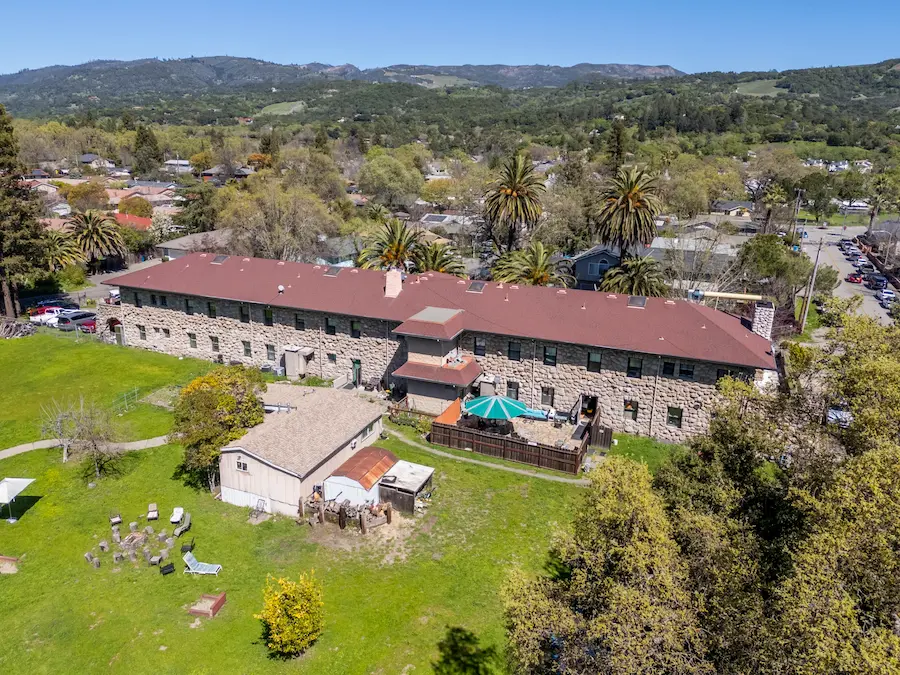
Meth Addiction Treatment in Sonoma County
Methamphetamine (meth) is an extremely addictive substance, and a meth addiction can be detrimental to your physical and mental health. Our rehab centers provide clients struggling with meth addiction with an opportunity for healing.
Our team of highly trained medical professionals and addiction treatment staff is here to guide clients through the process of detox, stabilization, and residential treatment. Each client receives an individualized treatment plan and the benefits of our premier detox and addiction treatment center in Sonoma.
Safe and Supportive Detox and
Residential Environment
Nestled in the rolling hills and valleys of Sonoma County, we offer a calm, safe environment for healing. Our clients have access to 24/7 care and structured support throughout the detox process. We focus on safety, comfort, and stabilization so that clients can then transition to residential treatment.
What Makes Our Approach to
Addiction Treatment Different
Align Recovery Centers provides evidence-based addiction treatment in a structured, family-style environment designed to support long-term recovery from substance use and co-occurring mental health conditions.
Trauma-Informed, Therapy-Forward Care
Treatment focuses on the underlying factors contributing to substance use, including trauma, anxiety, depression, chronic stress, and other co-occurring disorders.
Personalized Care in a Supportive Environment
With a 45-bed capacity and individualized treatment planning, we emphasize connection, accountability, and personalized attention without resort-style or luxury positioning.
Flexible Recovery Pathways
Clients are introduced to multiple recovery approaches, including 12-Step support, SMART Recovery, and Recovery Dharma, allowing individuals to explore what best supports their long-term recovery goals.
Medically Supported Detox and Residential Treatment
Clients have access to medically supervised detox, residential treatment, medication-assisted treatment, and ongoing clinical support throughout the recovery process.
Family Involvement
and Recovery
Education
Recovery often impacts the entire family system. We offer family education, clinician-supported visitation, and couples or family therapy sessions to help strengthen communication and long-term support.
Recovery Planning Beyond Residential Treatment
Discharge and aftercare planning begin early in treatment to help clients transition into appropriate next steps, including sober living, outpatient treatment, continued therapy, and community-based recovery support.
Evidence-Based and Holistic Treatment Options
Programs incorporate evidence-based therapies such as cognitive-behavioral therapy (CBT), dialectical behavior therapy (DBT), motivational interviewing, and trauma-focused therapy, alongside experiential approaches such as yoga, art therapy, music therapy, and mindfulness practices.
Program Highlights of Our Meth Rehab Program
We offer a comprehensive meth rehab program designed to support clients through every stage of recovery. Our approach combines medical care, evidence-based therapy, family involvement, and ongoing support to help clients build a healthier future.
Medical Detox and Stabilization Support
Detox is often the first step in substance abuse treatment. Clients receive personalized care, medical monitoring, and stabilization support in a safe environment to help manage withdrawal symptoms and prepare for continued treatment.
Individual Therapy and Group Therapy Sessions
Group therapy provides peer connection, accountability, and a supportive space to learn from others with shared experiences. Individual therapy helps clients explore the underlying causes of addiction and set personal recovery goals.


Cognitive-Behavioral Therapy (CBT) for Meth Addiction
CBT helps clients identify unhealthy thought patterns and behaviors connected to substance use. Through CBT, clients learn healthier coping strategies for managing cravings, stress, and triggers.
Relapse Prevention and Coping Skills Development
Clients develop coping skills, emotional regulation techniques, and practical strategies that support long-term recovery and daily stability. Relapse prevention is integrated throughout treatment to help clients prepare for life after rehab.
What to Expect During Meth Addiction Treatment
Treatment at our drug abuse rehab programs occurs in structured stages, from intake to detox to residential treatment.
Assessment, Intake, and Treatment Planning
Our admissions process is straightforward. First, our clients undergo a pre-admission assessment, which helps staff determine what modalities might be most effective for clients and what their treatment goals are. Next, there’s a medical evaluation with our team of professional and compassionate medical staff. The last step is the creation of an individualized treatment plan, which the client can help shape alongside our addiction specialists.
Residential Treatment and Structured Daily Support
Our residential treatment program provides a safe, supportive environment where clients can focus fully on recovery. Structured daily schedules, therapy sessions, wellness activities, and consistent support help clients build healthy routines and stability during treatment.
Therapy Sessions and Behavioral Health Care
Clients participate in individual therapy, group counseling, and behavioral health services designed to address the emotional and psychological aspects of methamphetamine abuse. Treatment focuses on improving coping skills, emotional regulation, and overall mental wellness.
Transition Planning and Discharge Preparation
Discharge planning begins early in treatment to help clients prepare for life after residential care. Each recovery plan may include aftercare recommendations, relapse-prevention strategies, continuing care options, and community support resources to promote long-term recovery success.
Detoxification and Meth Withdrawal Management
Detox is the process of flushing substances from the body. This process often leads to withdrawal, which can be an uncomfortable step in the recovery journey. Some symptoms of meth withdrawal include:
- Fatigue
- Anxiety
- Restlessness
- Chills and other flu-like symptoms
- Depression
- Mood swings
During detox, our medical staff closely monitors clients to ensure they are safe and as comfortable as possible.
Types of Meth Addiction Treatment and Levels of Care
Meth addiction can be treated through various types of treatment depending on the severity of the addiction and specific recovery goals. We help every client create a treatment plan that meets their needs.
Medical Detox for Methamphetamine Withdrawal
Meth withdrawal can make it difficult to stop using without professional support. We provide medically supervised detox in a safe, supportive environment with 24/7 care, symptom monitoring, hydration support, and medications when appropriate to help clients stay as comfortable as possible during withdrawal.
Each client begins treatment with a comprehensive assessment so our team can create a personalized detox plan based on their unique needs. While meth withdrawal can be physically and emotionally challenging, detox is often the first step toward lasting recovery.


Inpatient and Residential Treatment Programs
Our residential treatment program provides a structured and supportive environment where clients can focus fully on recovery. Treatment includes group therapy, individual counseling, family therapy, wellness activities, and evidence-based approaches designed to help clients build healthier coping skills and routines.
Throughout treatment, clients work closely with our clinical team to address the underlying causes of addiction, strengthen relapse prevention strategies, and develop a strong foundation for long-term sobriety.
Outpatient Treatment and Step-Down Care Options
We ensure that all of our clients are prepared to transition out of residential care. Before leaving inpatient rehab, we work with clients to plan their next steps, whether that’s outpatient programs, continued individual therapy, or connection with an alumni group.
Medication Management and Behavioral Health Support
Meth addiction often occurs alongside mental health conditions such as anxiety, depression, or trauma-related disorders. We provide medication management and behavioral health support for clients during residential treatment to stabilize symptoms, improve emotional well-being, and build a stronger foundation for recovery.
Long-Term Recovery and Continuing Care Planning
Sustained recovery requires ongoing support beyond the initial treatment process. We work closely with each client to develop a continuing care plan that may include outpatient treatment, peer support groups, sober living resources, and ongoing therapy to support long-term success.


When to Seek Help for Meth Use or Methamphetamine Addiction
Meth addiction is a serious threat to physical and mental well-being. To know when to seek professional help, it’s helpful to learn the signs of substance abuse.
Behavioral and Emotional Warning Signs of Meth Abuse
- Cravings (urges or desires to use)
- Failed attempts to cut down or control use
- Using the drug in larger amounts or for longer than intended
- Recurrent use in dangerous situations (e.g., theft, drug dealing, driving)
- Difficulty fulfilling responsibilities at work, home, or school due to use
- Giving up or cutting down on previously enjoyed activities due to use
- Spending a lot of your time using, obtaining, or recovering from the effects of the drug
- Using to avoid withdrawal symptoms or experiencing withdrawal symptoms when the drug’s effects start to wear off
- Increased tolerance, marked by either diminished effects with the same amount of the drug or using larger amounts to achieve the desired effects
People in your life may notice signs like changes in personality and appearance, an increased need for privacy or secrecy, or the possession of drugs or drug paraphernalia.
Physical Effects of
Methamphetamine Use
Methamphetamine is not only addictive but also profoundly harmful. The long-term effects of meth abuse may include severe dental problems, dramatic weight Loss and malnutrition, skin sores, cardiovascular issues, cognitive challenges, increased risk of infectious diseases, or changes in mental state.
Concerns for a
Loved One Using Meth
If you’re concerned for a loved one struggling with meth use, you aren’t alone. Healing is possible for both you and your loved one. We can help your family get back on a path to health and wellness.
Meth Psychosis and Severe Mental Health Symptoms
Chronic meth use alters the brain’s neuronal structure. This change can lead to functional abnormalities, rendering users more susceptible to a range of psychological and cognitive challenges.
Severe mental health symptoms, such as self-harm, can sometimes manifest as a result of prolonged meth use. Some individuals may also experience psychosis, a dangerous condition that involves hallucinations, delusions, and disordered thinking. These conditions require immediate medical and psychological intervention.
Additional Features of Meth Rehab
at Align Recovery Centers
Meth rehab in Sonoma involves family support, evidence-based therapies, relapse prevention, and more.
Family Therapy and Family Member Support
Family involvement is an important part of the healing process. Our family systems approach helps rebuild trust, improve communication, and educate loved ones about the challenges of meth addiction and long-term recovery.
Group Therapy and Peer Support
Groups
Clients connect with others who understand the realities of addiction and recovery in group therapy. Through guided peer support, clients can build accountability, reduce isolation, and strengthen their sense of community during treatment.
Evidence-Based Therapies Including CBT
We use evidence-based therapies such as CBT to help clients identify harmful thought patterns and develop healthier coping strategies. These therapies support emotional healing while helping clients better manage triggers, cravings, and co-occurring mental health concerns.
Coping Skills and
Life Skills Development
Clients learn practical coping skills and everyday life skills that support emotional regulation, stress management, healthy relationships, and greater independence after treatment.
Relapse Prevention and Recovery Planning
Relapse prevention planning is integrated throughout treatment to help clients recognize personal triggers and prepare for real-world challenges. Each client works with the treatment team to create a personalized recovery plan focused on long-term stability and continued growth.
Coordination With Aftercare and Continuing Support
We help clients transition from treatment into ongoing recovery support with comprehensive aftercare planning. Through continued care recommendations, recovery resources, and community support connections, clients leave treatment with a stronger foundation for lasting sobriety.
Get Started Today
Ready to take the next step toward your health? Speak directly with our team or quickly verify your insurance coverage
Frequently Asked Questions (FAQs)
Does insurance cover meth rehab?
Yes. Align Recovery Centers accepts a broad range of health insurance plans, which you or your loved one can use to cover the cost of meth rehab at our center. Please call our admissions line with your insurance card information ready to verify your insurance benefits, cost, and commitment-free.
What are common meth withdrawal symptoms?
Common meth withdrawal symptoms include fatigue, flu-like symptoms, anxiety and depression, or mood swings.
What is the difference between inpatient and outpatient treatment for meth use?
Inpatient, or residential, treatment requires you to live on-site for a period of time while receiving addiction treatment. Outpatient treatment means that you live at home and go to the recovery facility during the day for treatment.
How long does meth addiction treatment last?
Treatment length depends on your unique needs and recovery goals, but the average length of stay for our residential clients is 30 to 60 days. However, recovery is an ongoing process, and you may require another level of care after completing a residential treatment program.
Do you treat co-occurring mental health conditions?
Yes, Align Recovery Centers provides comprehensive and integrated care for co-occurring mental health conditions such as depression, anxiety, bipolar disorder, and attention-deficit/hyperactivity disorder (ADHD).
Can family members be involved in treatment?
Yes, we encourage family members to be involved in addiction treatment. Our intensive family program provides support and opportunities for healing for the whole family.
What happens after meth detox?
After detox, clients will usually proceed to the next step in the addiction treatment process. Depending on their specific care plan, that might be an inpatient or outpatient treatment plan.
Do you offer relapse prevention support and aftercare?
Yes. Align Recovery Centers provides recovery maintenance programs to support you throughout your continued recovery journey. We help clients find their next level of care, which might include an intensive outpatient program (IOP), sober living, or individual therapy.

Elvis, a seasoned Licensed Clinical Social Worker and Clinical Director at Align Recovery Centers, brings over ten years of expertise in addiction therapy. Skilled in evidence-based therapies like CBT, DBT, and ACT, he specializes in creating personalized treatment plans for addiction and co-occurring mental health disorders such as anxiety and depression. His holistic approach and dedication to his clients’ transformative journeys highlight his significant impact in addiction therapy and mental health care.