



























Align Recovery Centers offers medically supervised fentanyl detox in California for adults 18+ struggling with fentanyl addiction or opioid use disorder. Our detox program provides 24/7 medical support with personalized, integrated care through evidence-based, trauma-informed treatment for substance use disorders.
We are In-Network with Many Insurance Providers
& Have Relationships with Many More
Other payment options are available – please contact us for more information.
Fentanyl Detox Program in California
When stopping the use of fentanyl, individuals are at risk of withdrawal symptoms, which can be uncomfortable and potentially life-threatening without medical supervision. We support adults 18+ who are struggling with fentanyl use disorder. Our fentanyl detox program is 6 to 7 days and includes 24/7 nursing care, medical oversight, and vital sign monitoring so clients can rest through the night.
The goal of our detox program is to address physical stabilization while providing ongoing treatment focused on the underlying causes of substance abuse and opioid addiction. Approved medications, a therapy-focused approach, and additional treatments help address symptoms until the acute withdrawal stage is over and clients transition into residential treatment.
A Supportive Detox Environment for Healing
Align Recovery provides a 45-bed, home-like environment located in a historical stone building on 2+ tranquil acres in Sonoma, California. Our facility has a large backyard and garden, offering plenty of quiet, private areas in which to reflect, including a recreational room and library.
Our team fosters a family-style culture that highlights individualized attention and warmth. The philosophy of our facility centers around treating clients like people, not numbers. Recovery can be framed as rebuilding stability “one steady step at a time,” rather than simply removing substances from the client’s life.
What Makes Our Approach to Addiction Treatment Different
Align Recovery Centers provides evidence-based addiction treatment in a structured, family-style environment designed to support long-term recovery from substance use and co-occurring mental health conditions.
Trauma-Informed, Therapy-Forward Care
Treatment focuses on the underlying factors contributing to substance use, including trauma, anxiety, depression, chronic stress, and other co-occurring disorders.
Medically Supported Detox and Residential Treatment
Clients have access to medically supervised detox, residential treatment, medication-assisted treatment (MAT), and ongoing clinical support throughout the recovery process.
Evidence-Based and Holistic Treatment Options
Programs incorporate evidence-based therapies such as cognitive-behavioral therapy (CBT), dialectical behavior therapy (DBT), motivational interviewing, and trauma-focused therapy, alongside experiential approaches such as yoga, art therapy, music therapy, and mindfulness practices.
Family Involvement and Recovery Education
Recovery often impacts the entire family system. We offer family education, clinician-supported visitation, and couples or family therapy sessions to help strengthen communication and long-term support.
Flexible Recovery Pathways
Clients are introduced to multiple recovery approaches, including 12-Step support, SMART Recovery, and Recovery Dharma, allowing individuals to explore what best supports their long-term recovery goals.
Personalized Care in a Supportive Environment
With a 45-bed capacity and individualized treatment planning, we emphasize connection, accountability, and personalized attention without resort-style or luxury positioning.
Recovery Planning Beyond Residential Treatment
Discharge and aftercare planning begin early in treatment to help clients transition into appropriate next steps, including sober living, outpatient treatment, continued therapy, and community-based recovery support.
Highlights of Our Fentanyl Detox Program
Our fentanyl detox program provides medical oversight through personalized treatment plans in combination with support for co-occurring mental health conditions.
Safe Management of Fentanyl Withdrawal Symptoms
Our personalized fentanyl detox program offers a safe, medically supervised environment where a caring, professional staff of board‑certified psychiatrists, neurologists, and addiction specialists provides 24/7 oversight and care.
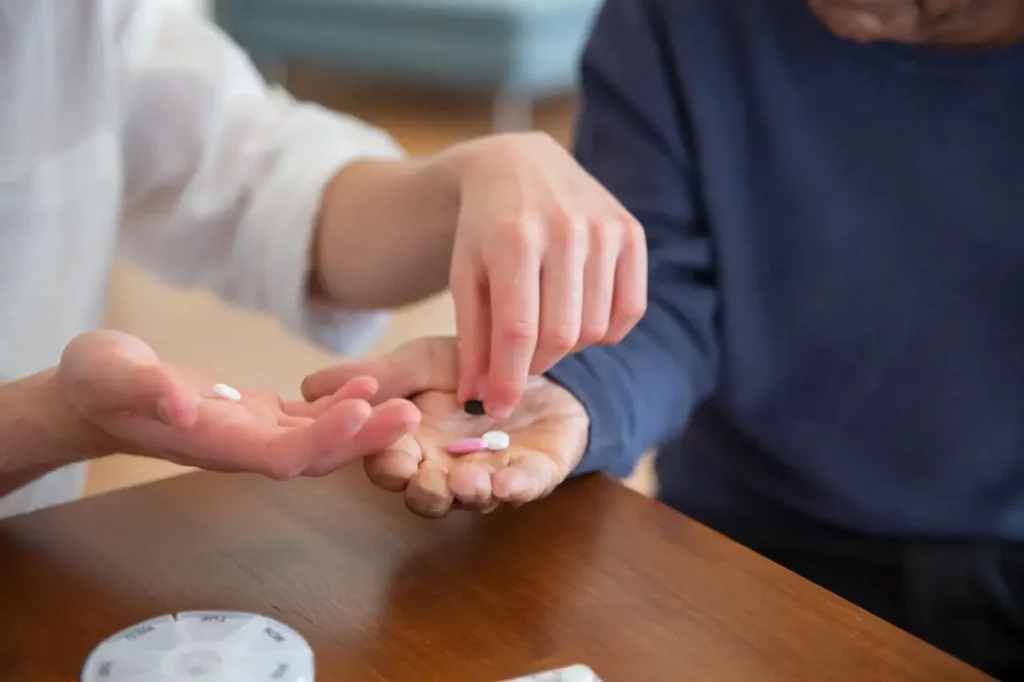
We utilize medication-assisted treatment (MAT), focused on managing the physical symptoms of fentanyl withdrawal, such as muscle aches, a runny nose, and severe withdrawal cravings. The primary medications used in MAT for fentanyl dependence include buprenorphine, methadone, naltrexone, and naloxone.
Personalized Treatment Planning
We provide clients with personalized, integrated care plans based on their history of fentanyl use. Our team also looks at other factors, including the severity of opioid dependence, specific mental health needs, such as co-occurring disorders, and the client’s unique recovery goals.
Co-Occurring Mental Health Support
Our detox and residential treatment programs offer integrated, trauma-informed care for fentanyl use disorder that is focused on the primary substance use disorder, as well as mental health conditions clients experience. Co-occurring mental health issues we treat include anxiety, depression, post-traumatic stress disorder (PTSD), and chronic stress. Dual diagnosis treatment allows for deeper healing work by addressing fentanyl addiction and mental health disorders simultaneously.
Recovery Support Beyond Detoxification
Once the fentanyl detox phase ends, our staff is already hard at work planning next steps for our clients – discharge planning starts at week one. Most clients who complete our detox program will transition to our residential treatment center. Clients also have lifelong access to our alumni program. If needed, our team can provide referrals to a partial hospitalization program (PHP), intensive outpatient program (IOP), outpatient therapy, or sober living options.
What to Expect During Fentanyl Detox in California
When clients begin a fentanyl detox program, they can expect a personalized intake and assessment during the admissions process. Early stages of fentanyl detox aim to stabilize physical withdrawal symptoms under medical supervision.
Intake & Assessment
Our initial intake and assessment during the admissions process includes a 10-minute preadmission assessment and insurance verification (VOB).
Reachable between 8:00 AM and 12:00 AM, the Align Recovery admissions team completes the admissions process as quickly as possible. Same‑day admission can occur if a client calls in the morning and wishes to be admitted by that evening, depending on bed availability.
Discharge planning begins at week one to plan for transitions to step‑down care, including sober living, IOP, or PHP programs. Our case managers can also assist with FMLA, SDI paperwork, and letters for work.
Early Stabilization & Withdrawal Management
The initial stages of fentanyl detox concentrate on stabilizing clients’ physical fentanyl withdrawal symptoms, including muscle aches, a runny nose, and cravings. As with other opioid withdrawal symptoms, fentanyl detox includes medical supervision and continued support in a comfortable, relaxed setting to ensure a smooth transition into recovery.
Daily Therapeutic Programming
Support groups meet daily to help foster a sense of community and collective recovery among clients, supporting long-term success. Group therapies specifically address underlying traumas, mental health concerns, and substance use disorder triggers.
Cognitive-behavioral therapy (CBT) helps clients recognize and challenge dysfunctional thoughts and beliefs about their addiction and offers coping strategies to manage cravings, develop healthy behaviors, and prevent relapse. Dialectical behavior therapy (DBT) combines elements of CBT with mindfulness practices, identifying self-destructive behaviors and thought patterns, and regulating emotions.
Through experiential therapies and ongoing psychoeducation, our mission is to help our clients find the tools they need to stay on the path to enduring recovery.
Weekend Family Connection & Recovery Support
Weekly on-site family visits take place on Sundays from 10:00 AM to 12:00 PM, with clinicians present to manage conflicts and facilitate conversations. Our co-ed program also includes gender-specific process groups on Saturdays, including a men’s off-site stag meeting and a women’s in-house process group.
Take the First Step Toward Recovery
Choosing medical detox for fentanyl addiction is a powerful first step toward breaking physical dependence and beginning recovery in a safe, supportive environment. With compassionate care and 24/7 medical supervision, clients can manage withdrawal symptoms and build a strong foundation for lasting healing.
Treatment Options for Opioid & Fentanyl Addiction
Our medically assisted detox program assists in managing withdrawal symptoms for fentanyl and other opioids. After detox, clients can transition into our residential treatment program to continue their journey towards lasting recovery.
Medically Assisted Detox
The medically assisted detox process starts with an assessment from our medical team to evaluate the level of addiction and any co-existing health conditions. From there, clients receive a personalized detox treatment plan that includes medical supervision in a controlled, safe environment. Our 24/7 team of clinically licensed medical professionals continuously monitors clients throughout detox to manage withdrawal symptoms and provide support as they prepare for the next steps in their recovery journey.
Residential Treatment After Detox
We believe that true recovery goes beyond detox. Once detox is completed, clients can easily transition into our residential programs. Our inpatient treatment program includes evidence-based therapies, holistic modalities to address the emotional and psychological roots of addiction, and dual diagnosis support for those with co-occurring mental health conditions. We emphasize personalized care that meets each person’s unique needs on their recovery journey.
Medication-Assisted Treatment (MAT)
Often used to treat opioid use disorder, such as fentanyl addiction, medication-assisted treatment (MAT) provides an evidence-based, comprehensive approach to detoxification that combines the use of medications with counseling and behavioral therapies. Common medications used include buprenorphine, methadone, and naltrexone.
During detox, we also utilize a newer medication approach for opioid withdrawal using an N‑Acetyl L‑Cysteine supplement and Lucemyra (lofexidine). This medication is administered early to reduce withdrawal risk before initiating Suboxone to avoid precipitated withdrawal.
Therapy & Behavioral Health Support
Treatment plans for fentanyl addiction focus on evidence-based therapies, such as CBT and DBT. CBT focuses on identifying and modifying negative thought patterns to bring about positive change. DBT addresses emotional dysregulation, self-destructive behaviors, and distorted thinking patterns in clients experiencing substance use disorder.
Our trauma-informed care includes holistic therapies, such as yoga, mindfulness practices, and organic gardening, as well as individual, group, and family therapy. A weekly virtual family dynamics group on Wednesday evenings helps family members support their loved ones, and virtual and in-person couples and family therapy sessions begin after week two if desired.
Recovery Community & Peer Support
Clients who complete our medically-assisted detox and/or residential treatment program are never alone on their recovery journey. Aftercare for life begins with a formal graduation “last supper” ceremony, complete with poker chips and certificates.
Our dedicated alumni community network continues to help clients foster connections through workshops, support groups, and social events, such as our Annual Friendsgiving gathering. Clients can also find a lasting support system through ongoing alumni Zoom meetings and stay connected through our private alumni app, a safe space that provides peer support, recovery-focused resources, and announcements.
When to Seek Help for Fentanyl Addiction
Fentanyl is one of the most powerful synthetic opioids that can cause powerful side effects. If you or someone you love is experiencing fentanyl addiction, contact Align Recovery Centers today for support.
Signs of Opioid Dependence or Fentanyl Addiction
Key signs of opioid dependence or fentanyl addiction include:
- Physical and mental cravings
- Substance use has a direct effect on personal and professional responsibilities
- Increased tolerance and/or need for more of the substance to achieve the same effect
- Withdrawal symptoms, such as muscle and joint aches, nausea and vomiting, excessive sweating or chills, or a runny nose
- An increased risk of overdose
- Feeling of isolation from family and friends
- Physical dependence on the substance, such as changes in mood, personality, or energy levels
Warning Signs of Fentanyl Overdose
Warning signs of fentanyl or opioid overdose include:
- Unconsciousness or unresponsiveness that includes an inability to wake up or speak
- Breathing irregularities, including slow, shallow, or erratic breathing
- Signs of respiratory distress
- Pinpoint pupils, when pupils appear small and constricted
- Discolored skin that looks blue, purple, or grayish/ashen, especially on the lips and fingernails
- Clammy skin that feels cold to the touch
- Limp body or loose, flimsy muscles
Synthetic opioid potency is a leading factor for fentanyl, which is 50 to 100 times more potent than other opioids, such as morphine. In the event of a fentanyl overdose, naloxone (Narcan) is a temporary means of restoring normal breathing.
Why Early Treatment Matters
Approximately 48,422 fatal drug overdose deaths involving synthetic opioids (most notably fentanyl) occurred in 2024. The risk of relapse for people who use fentanyl remains high – early interventions make a significant difference in helping individuals overcome drug abuse. Our team is dedicated to providing compassionate care for those experiencing fentanyl addiction, helping them achieve lasting recovery.
Benefits of Our Fentanyl Detox Program
Clients in our fentanyl detox program not only receive individualized treatment plans but are also supported through family therapy and education, medication management, and early discharge planning for their continued aftercare support.
Family Education & Support
Our fentanyl detox program centers around family education and support. Clients can take part in a weekly virtual family dynamics group on Wednesday evenings that includes education on treatment terms, different levels of care, and how they can best support loved ones. In addition to virtual and in‑person family therapy sessions, on‑site, clinician-facilitated family visits take place every Sunday between 10:00 AM and 12:00 PM.
Medication Management & Ongoing Care Coordination
Support through medication continues during residential programs. After detox treatment ends, clients leave with a limited 15- to 30-day supply of medication. They can also expect to receive referrals for ongoing prescriptions through their PCP or local provider.
Discharge Planning & Aftercare Support
Week one of our treatment programs includes discharge planning. We provide detox and residential treatment, helping clients move through a continuum of care that includes referrals to step‑down options, such as sober living, PHP, IOP, and additional outpatient therapy. Our aftercare services can include an assigned counselor, our client-only virtual app for follow‑up, group therapy, alumni events and reunions, and virtual or in-person family follow‑up.
Holistic Wellness & Experiential Therapies
Our holistic therapy options include yoga, Qigong, narrative therapy, expressive arts, mindfulness, nutrition, recreation, and wellness support. Additional activities include stress management, nutrition, and wellness to support clients physically and emotionally on their recovery journey.
Testimonials
FAQs
How long does fentanyl detox take?
Fentanyl detox can take anywhere between a few days and a few weeks, depending on the severity of withdrawal symptoms. At Align Recovery Centers, we offer detox programs that typically last 6-7 days, with 7 days preferred to allow enough time for taper and recovery periods.
Is fentanyl withdrawal dangerous without medical supervision?
Yes, withdrawing from fentanyl can be dangerous due to the powerful withdrawal symptoms. Symptoms such as vomiting and diarrhea can lead to dehydration, which can become dangerous. Medically supervised detox is crucial to ensure a safe and supported recovery journey.
Do you use buprenorphine or methadone during detox?
During fentanyl detox, a healthcare provider may prescribe methadone, buprenorphine, or naltrexone to ease intense cravings and withdrawal symptoms. Our program includes 24/7 nursing care and medical oversight by board‑certified specialists.
What happens after medical detox ends?
Once detox ends, clients can transition into our 30- to 60-day residential (inpatient) treatment program. Clients remain on-site in a safe, structured, and supportive environment so they can continue their treatment and recovery journey.
Does insurance cover fentanyl detox in California?
Fentanyl detox is typically covered by various insurance plans. To verify your insurance, contact Align Recovery Centers for more information.
Can I detox from fentanyl if I also use stimulants or other substances?
Detox is possible even if you use fentanyl alongside stimulants, alcohol, benzodiazepines, or other substances, but it requires a comprehensive medical assessment and an individualized treatment plan. Because polysubstance drug use can complicate withdrawal and increase health risks, medical supervision helps ensure your symptoms are managed safely and effectively.