
At Align Recovery Centers in Northern California, we provide detox services and residential care for adults who are struggling with substance use and co-occurring disorders.

Structured Inpatient Care for Substance Use Disorder and Co-Occurring Conditions
Residential treatment provides a structured level of care for adults with substance use disorders who require ongoing clinical services and stabilization following detox. We also treat co-occurring mental health conditions such as depression, anxiety, and post-traumatic stress disorder (PTSD). As part of inpatient care, clients can receive therapy, psychiatric support, and relapse prevention services.
Our residential treatment facilities in California provide a safe, structured, and supportive environment for individuals beginning their recovery. Designed for those who need immersive care, our program combines evidence-based therapies, 24/7 medical supervision, and personalized treatment plans to address both substance use disorder and co-occurring mental health disorders. In the comfort and tranquility of our California setting, clients can focus fully on building a foundation for lasting sobriety.
We provide comprehensive residential addiction treatment in California, helping individuals reclaim their lives in a safe, structured, and supportive environment.
24/7 Supervised Residential Treatment in Sonoma County
Nestled in Sonoma County, our CARF-accredited inpatient treatment facilities offer more than just treatment – we provide care that nurtures the mind, body, and spirit. With 24/7 medical supervision, evidence-based therapies, and personalized recovery plans, we empower individuals to overcome substance abuse and co-occurring disorders.
In our residential treatment programs, we provide a structured clinical environment to support lasting recovery. We offer a safe space away from everyday triggers and stressors, allowing individuals to fully focus on overcoming addiction.
For many, the first step in recovery is medical detox, where withdrawal symptoms are safely managed under 24/7 medical supervision. Our experienced clinical team ensures comfort and safety throughout this phase, preparing individuals for the next steps in treatment.

Why Our Approach to
Addiction Treatment Is Different
At Align Recovery Centers, we provide evidence-based addiction treatment in a structured, family-style environment designed to support long-term recovery from substance use and co-occurring mental health conditions.
Recovery Planning Beyond Residential Treatment
Discharge and aftercare planning begin early in treatment to help clients transition into the next levels of care, including sober living, outpatient treatment, continued therapy, and community-based recovery support.
Medically Supported Detox and Residential Treatment
Clients have access to medically supervised detox, residential treatment, medication-assisted treatment, and ongoing clinical support throughout the recovery process.
Evidence-Based and Holistic Treatment Options
Programs incorporate evidence-based therapies such as cognitive-behavioral therapy (CBT), dialectical behavior therapy (DBT), motivational interviewing (MI), and trauma-focused therapy, alongside experiential approaches such as yoga, art therapy, music therapy, and mindfulness practices.
Trauma-Informed, Therapy-Forward Care
Treatment focuses on the underlying factors contributing to substance use, including trauma, anxiety, depression, chronic stress, and other co-occurring disorders.
Family Involvement and Recovery Education
Recovery often impacts the entire family system. We offer family education, clinician-supported visitation, and couples or family therapy sessions to help strengthen communication and long-term support.
Flexible Recovery Pathways
Clients are introduced to multiple recovery approaches, including 12-Step support, SMART Recovery, and Recovery Dharma, so they can explore which best supports their long-term recovery goals.
Personalized Care in a Supportive Environment
With a 45-bed capacity and individualized treatment planning, we emphasize connection, accountability, and personalized attention without resort-style or luxury positioning.
Evidence-Based Care for Addiction and Mental Health Conditions
Residential treatment integrates evidence-based therapies and dual diagnosis services to address the underlying causes of substance use and co-occurring mental health conditions. Clinical programming is designed to promote behavioral stability, emotional regulation, relapse prevention, and overall wellness.
Trauma-Informed Clinical Care
Trauma-informed clinical care is integrated throughout the assessment, diagnosis, and treatment planning process. Clinical teams evaluate the role of trauma, co-occurring mental health conditions, substance use patterns, and behavioral health needs to develop individualized treatment plans. These plans are intended to address the underlying causes of substance use and challenges during recovery.
Evidence-Based Therapies
Residential treatment incorporates evidence-based therapies such as CBT, DBT, MI, and group therapy. These therapies are used to address both substance use and mental health disorders. Behavioral interventions are integrated into individualized treatment plans to support greater emotional regulation, resilience, and positive behavioral change.
Co-Occurring Disorder Treatment
At our facility, co-occurring disorder treatment involves psychiatric oversight, medication management, behavioral health care, and substance use treatment, all within the same treatment plan. Our clinical team works to address addiction and co-occurring mental health conditions simultaneously. This supports stabilization, treatment engagement, and ongoing recovery planning.
Medication Management and Clinical Oversight
Medication management is integrated into residential treatment through ongoing psychiatric oversight, clinical assessment, and individualized treatment planning. Clients receive around-the-clock monitoring, and medications can be adjusted whenever appropriate. Withdrawal symptoms can also be managed as necessary.
Family Involvement in
Treatment
We encourage families to play an active role throughout the recovery process. Family involvement may include educational programming and family therapy sessions, which we offer through our facility. These services can help strengthen communication between family members as their loved one navigates recovery, as well as help them understand how to best support them.

Structured Admission, Stabilization, and Ongoing Clinical Care
Choosing an inpatient rehab program is an important step toward lasting recovery. Our structured, evidence-based approach ensures that each individual receives the care, guidance, and tools needed to overcome addiction.
Admission and Clinical Assessment
Upon admission, each individual undergoes a comprehensive assessment. This crucial step gathers in-depth information about the person’s history with addiction, triggers, and personal recovery goals. Tailoring the recovery strategy to each individual is essential, especially considering the varied backgrounds and experiences of those struggling with substance abuse and mental health issues. This personalized approach lays the groundwork for an effective and responsive treatment plan.
Stabilization and Treatment Planning
The detoxification phase at our California treatment facility marks the beginning of the recovery process. It’s a critical time when the body is cleansed of harmful substances. This phase is managed with attentive care, providing round-the-clock medical supervision to ensure safety and comfort.
Managing withdrawal symptoms and providing a structured environment during drug detox or alcohol detox are key to preparing individuals for the next stages of their recovery, including intensive therapy. Prior to treatment, clients undergo a full psychiatric evaluation that is utilized in developing an individual treatment plan tailored to their specific needs.
Therapeutic Programming
Individual counseling is a significant component of our therapeutic approach. These sessions delve into personal traumas, mental health concerns, and triggers, forming the basis for developing effective coping strategies.
Additionally, group therapy sessions offer a space for mutual support and shared experiences. These sessions are crucial in fostering a sense of community and collective recovery, which is essential for long-term success in overcoming addiction.
Holistic Treatment & Skill Development
We extend our treatment approach beyond traditional methods by incorporating holistic practices. This includes yoga, which supports mind-body synchronization and overall well-being, and art therapy, which provides a creative outlet for emotional expression and mental health recovery. These holistic treatments play a significant role in the recovery process, offering individuals alternative ways to connect with themselves and process their journey.
Skill Development for Sustainable Recovery
An important aspect of our inpatient program is the focus on developing life skills. We teach coping mechanisms to help individuals effectively navigate life’s stressors and triggers. We also provide relapse prevention techniques, which are crucial for maintaining long-term sobriety. These skills are essential for building resilience and preparing individuals for the challenges they may face post-rehab.
Discharge and Transition Planning
At our facility, discharge and transition begin early in the treatment process. Depending on specific needs, an individual may transition to different outpatient programs, including a partial hospitalization program (PHP) or intensive outpatient program (IOP). While we don’t offer these services on-site, our team can assist with referrals and can help coordinate continued care.
The goal of our addiction treatment center is to empower each individual with the tools and confidence necessary for a life free from addiction. Our comprehensive program in California is designed to instill a sense of purpose and readiness for a brighter, sober future. We ensure that each person leaves our facility with a solid foundation for continued recovery and wellness, ready to embark on a renewed life journey.
Conditions We Treat in Residential Care
We treat multiple types of substance use disorders, including opioid use disorder (OUD), alcohol use disorder (AUD), stimulant use disorder, and marijuana use disorder. Additionally, we treat individuals struggling with addiction to psychedelics, benzodiazepines, and MDMA.
In addition to alcohol and drug addiction, we treat a variety of mental health issues, including anxiety, depression, chronic stress, and PTSD. Integrating mental health treatment with substance abuse treatment helps healthcare professionals target the root cause of addiction, prevent relapse, and treat the whole person rather than just addressing isolated symptoms.
Signs You May Need Inpatient-Level Care
Recognizing when residential addiction treatment is necessary can make a significant difference in achieving long-term sobriety. If you have attempted to stop engaging in substance use without success, experienced withdrawal symptoms when attempting to cut back on substance use, or noticed that you’ve increased your substance use, it may be time to seek professional help. In addition, if you recognize that you’ve been neglecting your responsibilities or relationships, or have been engaging in risky behaviors, it is likely time to consider treatment.
If any warning signs resonate with you, we provide a structured, supportive environment to help individuals safely detox, heal, and develop the tools needed for lasting recovery.
Continuum of Care After Residential Treatment
After completing detox and residential treatment, clients are able to access continued care options. During treatment, aftercare and transitional planning begin early on.
Some clients may transition to an outpatient treatment program, which allows them to continue living at home and going to work while still receiving structured care. Others may move into IOP, where they have access to a higher level of structure than transitional outpatient care.
While these services are not provided on-site, our team can work with you to provide any necessary referrals and help coordinate and facilitate continued care.

FAQs
How long is inpatient rehab?
The duration of inpatient rehab is tailored to meet the specific needs of each individual. While typical programs range from 30 to 90 days, we recognize that each case of substance abuse and addiction is unique. Especially for those battling deep-seated addiction or co-occurring mental illness, extended care options are available.
Our California facility offers varied program lengths to ensure comprehensive treatment, whether it’s addressing chronic drug abuse, severe alcohol addiction, or dual-diagnosis conditions. The goal is to provide enough time for thorough detoxification, mental health support, and the development of lasting coping strategies for a sober life.
Do you treat co-occurring mental health conditions?
Yes, we treat co-occurring mental health conditions and substance use simultaneously through a dual diagnosis approach. Some examples of mental health disorders that we treat include anxiety, depression, and post-traumatic stress disorder (PTSD). Mental health care may include group therapy, individual therapy, and additional support services.
What happens after residential treatment?
After residential treatment, an individual will transition into the next level of care depending on their needs. This may include an outpatient treatment program, partial hospitalization program (PHP), intensive outpatient program (IOP), or a sober living environment. Our team will work with you to provide a referral if necessary and coordinate
Do you provide detox services on-site?
Yes, we provide on-site medical detox. Detox includes around-the-clock monitoring, psychiatric oversight, nursing care, and other support services. During this time, withdrawal symptoms can be managed effectively.
Can family members be involved?
Yes, family members are encouraged to play an active role in the treatment process. Families may participate in educational programming, support groups, and family therapy. These services help promote greater communication between family members and allow them to know how to best support their loved one as they move forward with substance abuse treatment.
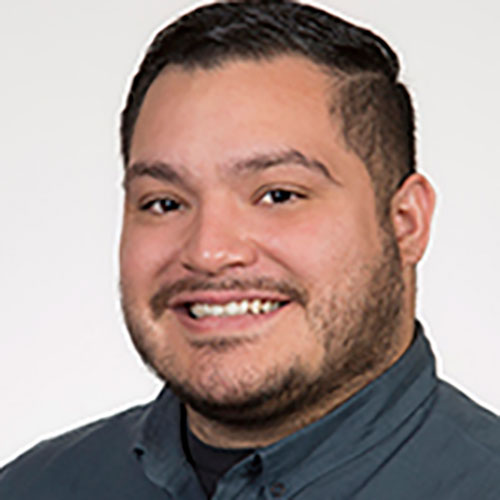
Elvis, a seasoned Licensed Clinical Social Worker and Clinical Director at Align Recovery Centers, brings over ten years of expertise in addiction therapy. Skilled in evidence-based therapies like CBT, DBT, and ACT, he specializes in creating personalized treatment plans for addiction and co-occurring mental health disorders such as anxiety and depression. His holistic approach and dedication to his clients’ transformative journeys highlight his significant impact in addiction therapy and mental health care.
Get Started Today
Ready to take the next step toward your health? Speak directly with our team or quickly verify your insurance coverage